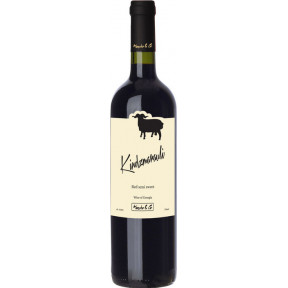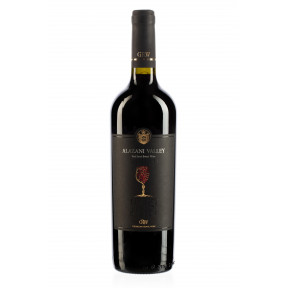


-500x500.jpg "Moldovan Cahors wine Chateau Cojușna \"Migdal Special\", 11% ABV")
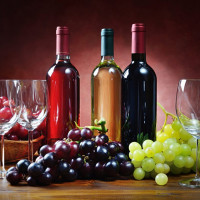
Moldovan Cahors wine Chateau Cojușna "Migdal Special", 11% ABV
- Stock: 7
- Model: U103420
6.59€
Ex Tax: 5.45€
With a rich history dating back to 1995, Chateau Cojușna has become a renowned company in the wine industry. It is one of the largest wine producers and exporters in Moldova. Currently, the company owns over 200 hectares of vineyards, growing both European and local grape varieties, guaranteeing the highest quality raw materials
Cahors is a sweet, fortified red wine of the Eastern European tradition, historically associated with the Orthodox Church and inspired by French Cahors
- Cahors is produced primarily in Moldova, southern Ukraine, Crimea, and Russia, most often from Cabernet Sauvignon; Saperavi, Merlot, and other varieties are less commonly added
- It is a dessert wine: high sugar content (often 160 g/l or more)
- The color is very dark, almost ruby-black; The flavor is dense, with ripe black berries, dried fruits, chocolate, and sometimes hints of coffee and vanilla
For a Dutch person, it's easier to imagine Cahors as a blend of port/Mauriac and a very sweet red wine: thick, dark, and "liqueur-like" in flavor, but officially it's still a wine, not a liqueur
- The name "Cahors" comes from the French town of Cahors, where very dark red wine, primarily from Malbec, has been made since the Middle Ages
- In the 17th and 18th centuries, this French Cahors was actively exported to Russia; Peter the Great was a connoisseur and promoted the use of wine at court and in the church
- Because of its rich, dark red color and sweet taste, the Russian Orthodox Church chose it as the "liturgical" wine for Communion. Since 1733, the Holy Synod prescribed the use of Cahors for church sacraments
Gradually, Cahors wine began to be produced not only in France, but also in the southern regions of the Russian Empire and Bessarabia (modern-day Moldova), adapting the style to the local climate and grape varieties
- Unlike the classic dry Cahors in France, Eastern European Cahors is usually a fortified dessert wine: fermentation is interrupted by the addition of alcohol, preserving much of the natural sugar
- Very ripe grapes with a high sugar content (around 180 g/l and above) are used; sometimes the must is additionally heated before fermentation to extract maximum color and tannins
- The wine is often aged in oak for up to two years, which imparts notes of vanilla, caramel, and spice and softens the texture
In terms of profile, it is somewhere between Port, Madeira, and sweet Malbec: viscous, sweet, with a long finish and a vibrant "black berry" character
- For Orthodox Communion, it is important that the wine be natural (without added sugar or flavorings), non-acidic, and retain a rich red color even after dilution with water—Cahors fully satisfied these requirements. requirements
- It was and is used as the "blood of Christ," and unlike in the Catholic Church, in Orthodoxy wine is also given to children, so the sweet taste is more easily perceived
- Because of this, Cahors is strongly associated with the church, Easter, and other religious holidays in Russia, Ukraine, and Moldova; most believers know it as "church wine"
For the Dutch, it's like "missa wine" (messwijn), but sweeter and thicker, with a very dark color and a distinctly "Eastern European" style
- In everyday life, Cahors is now often drunk simply as a dessert wine: in small glasses, slightly chilled (around 14-16°C), with chocolate, nuts, dried fruits, and blue cheeses
- It tastes closer to Ruby Port or Banyuls, but is usually even sweeter and less complex, but with a very recognizable "church" character
| Specifications | |
| Country | Moldova |
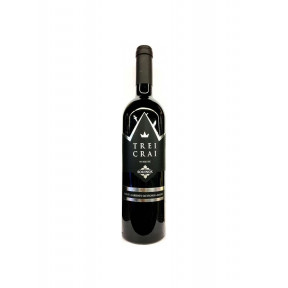
%20(1)-288x288h.jpg "Moldovan red dry biodynamic wine Equinox Trei Crai with organic certificate")
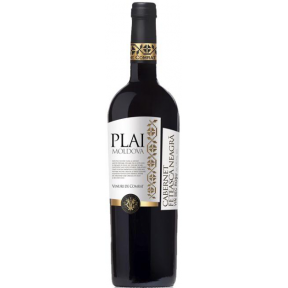
-288x288h.png "Moldovan red dry wine Carlevana Malbec Raritet")